
Molecular Physiology, Genetics, and the Biotechnology of Plants
The admission process is administered by the Study Department of the Faculty of AgriSciences. For details and a complete list of mandatory supporting documents, please follow the instructions on the corresponding webpage. The call opens in February 2026, and the application deadline is May 19, 2026.
Please note that the PhD School Board oversees the admission process, and applicants are ranked based on their performance, including subject-specific knowledge and relevant skills. For context, the admission rate in 2025 was below 50%, and for 2026, we expect to enroll only two new PhD students.
Proposed topics for the 2026 call
Thesis supervisor: Assoc. Prof. Novák
Summary: This doctoral thesis focuses on the use of hyperspectral imaging as an advanced non-invasive tool for studying physiological and biochemical changes in plants exposed to selected abiotic stresses. Particular attention is paid to stress factors associated with climate change, especially elevated temperature, cold, and drought, which significantly affect plant growth, development, and productivity. Hyperspectral data covering a broad spectral range enable detailed characterization of interactions between electromagnetic radiation and plant tissues and provide rich information on the status of the photosynthetic apparatus, water regime, and metabolic processes. The main objective of the thesis is the development and validation of methods for hyperspectral data analysis using bioinformatic and statistical approaches. Special emphasis is placed on the validation and interpretation of vegetation indices, principal component analysis (PCA) for dimensionality reduction, and identification of key stress-related spectral signatures. The thesis also incorporates methods of computer vision and artificial intelligence, including machine learning techniques, for the classification of stress conditions and prediction of stress intensity based on spectral and image data. The results of this work will contribute to a deeper understanding of plant responses to abiotic stresses and to the advancement of modern phenotyping approaches applicable in both basic plant research and agricultural practice.
2. Application of omics approaches in the study of biotic interactions between plants and microorganisms
Thesis supervisor: Assoc. Prof. Černý
Summary: Plants are continuously exposed to interactions with microorganisms throughout their development. These interactions may range from mutualistic and commensal to pathogenic. The ability of plants to appropriately perceive and respond to such interactions is crucial for their growth, development, and survival under changing environmental conditions. Although a number of molecular mechanisms involved in the recognition and regulation of plant–microbe interactions have been identified in recent years, their overall complexity remains only partially understood. Moreover, these mechanisms can differ substantially among plant species as well as between different developmental stages of the same plant. The aim of this doctoral thesis is to investigate biotic interactions between plants and microorganisms using modern omics approaches, with a particular focus on transcriptomic and proteomic analyses. The primary model system will be the interaction between pea (Pisum sativum L.) and Fusarium spp., a group of pathogenic fungi causing root rot and wilt diseases. The research will be conducted within the framework of the NAZV project “Development of Pea Genotypes Resistant to Root Wilt Using Omics Approaches” (QL26010174). The thesis will focus on the identification of molecular processes and regulatory pathways associated with plant defense responses, as well as mechanisms underlying tolerance or resistance to the pathogen.
3. Role of small sulfur-containing molecules in plant interactions with the environment
Thesis supervisor: Assoc. Prof. Černý
Summary: Plants are continuously exposed to a wide range of environmental cues and stresses, including interactions with both beneficial and pathogenic microorganisms as well as abiotic stress factors. To cope with these challenges, plants rely on complex regulatory networks that integrate metabolic status with signaling pathways controlling growth, development, and defense responses. While classical phytohormones play a central role in these processes, increasing evidence suggests that additional low-molecular-weight compounds contribute to the fine-tuning of plant responses to environmental conditions. Among these compounds, sulfur-containing molecules occupy a unique position due to their dual role in primary metabolism and stress-related signaling. Well-characterized sulfur-containing metabolites such as cysteine, methionine, and glutathione are essential for redox homeostasis, detoxification, and defense against oxidative stress. In addition, sulfur is a structural component of various secondary metabolites implicated in plant–microbe interactions, including phytoalexins and other defense-related compounds. Beyond these established examples, plants and associated microorganisms also produce a range of small sulfur-containing molecules, including volatile and non-volatile compounds, whose biological functions are less well understood. Recent studies indicate that some of these small sulfur-containing molecules can influence plant growth, stress tolerance, and interactions with microorganisms, suggesting potential signaling or regulatory roles. However, their contribution to plant responses to environmental stimuli remains insufficiently characterized, particularly in the context of coordinated responses to biotic and abiotic stresses. The aim of this doctoral thesis is to investigate the role of selected small sulfur-containing molecules in plant interactions with the environment, with a focus on their involvement in both biotic interactions with microorganisms and plant responses to abiotic stress, using integrated omics approaches.
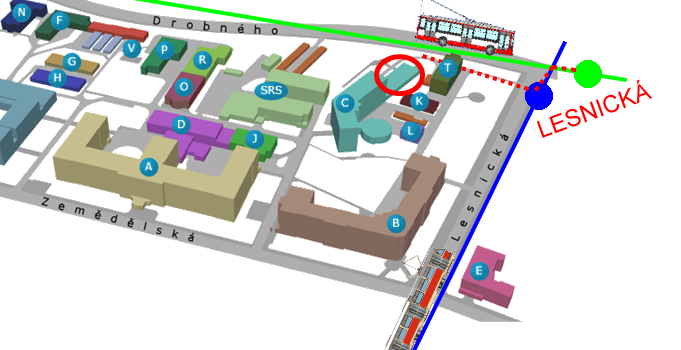
Zemedelska 1, 613 00, Brno
E-mail:
Head of Department: